If you want a Las Vegas neighborhood with history, city access, and everyday essentials close at hand, West Las Vegas deserves a closer look. For many buyers, the challenge is finding a place that feels established and connected without being far from parks, arts, and downtown life. This guide will help you understand what daily living in West Las Vegas can look like, from housing character to local amenities and getting around. Let’s dive in.
What West Las Vegas Feels Like
West Las Vegas is often discussed by the City of Las Vegas as the Historic Westside, and that identity matters to everyday life. The area is rooted in early Black settlement and includes longstanding churches, schools, boarding houses, and mid-century housing that continue to shape its character.
This is not a master-planned suburban environment with rows of newer homes and wide, uniform streets. Instead, you will find an older, established neighborhood fabric with a stronger sense of local history and a more central, urban feel.
The neighborhood story includes landmarks such as Zion Methodist Church, the Historic Westside School, and Berkley Square. Berkley Square is especially notable because the city recognizes it as the Westside’s first housing development and first middle-class housing district, designed by Paul Revere Williams.
Housing Character in West Las Vegas
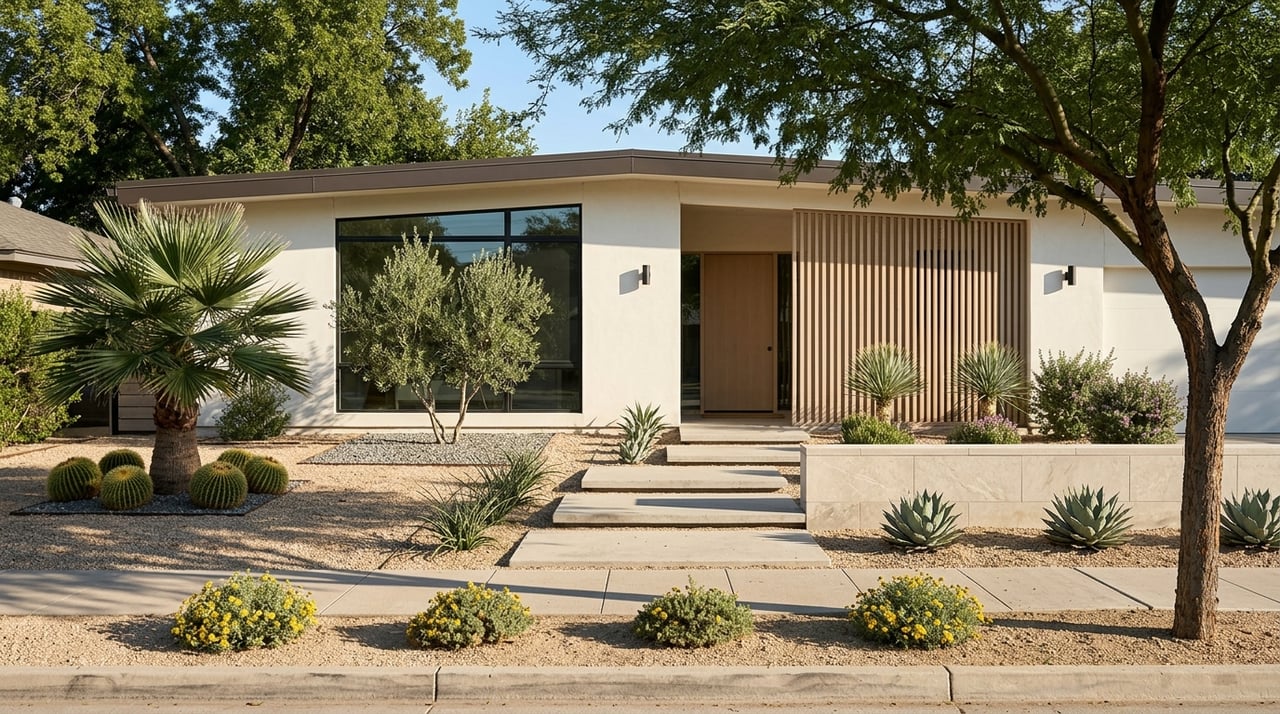
If you are comparing West Las Vegas with newer parts of the valley, the housing style will likely stand out right away. The city’s Historic Westside Design Guidebook describes a residential pattern made up mostly of detached homes on small-to-medium lots, often with yards, porches, alley-loaded streets, and one- to two-story buildings.
That means you are more likely to see homes with visible age and character rather than newer large-scale suburban design. For buyers who appreciate an established setting, this can be a real draw.
The guidebook also anticipates compatible infill, including accessory dwelling units and duplexes. In practical terms, that points to a neighborhood that is evolving while still being shaped by its existing scale and historic pattern.
Why History Matters Here
In West Las Vegas, history is part of daily life rather than just a background detail. The neighborhood’s identity is closely tied to Las Vegas history, and city preservation efforts continue to recognize places like the Berkley Square Historic District.
For you as a buyer, that can influence how the area feels block by block. There is a stronger sense of place here than in many newer communities, and that often appeals to people who want more than just a house. They want a neighborhood with a story.
Parks and Outdoor Space
One of the strongest everyday advantages in West Las Vegas is access to public spaces. Historic Westside Legacy Park, which opened in 2021, honors leaders in the Historic Westside community and adds meaningful open space within the neighborhood.
Lorenzi Park is another major asset nearby. The city describes it as a historic district with twin lakes, fishing, play areas, tennis courts, soccer and softball fields, basketball courts, a band shell, and picnic and event space.
For day-to-day living, that gives you real options. Whether you want a morning walk, a casual afternoon outside, or a larger park for recreation and gatherings, this area has public spaces that support a more active routine.
Arts, Learning, and Community Anchors
West Las Vegas offers more than just housing and park access. It also has community spaces that help shape local life.
The Historic Westside School campus now serves multiple roles. According to the city, it includes a design center focused on the neighborhood’s past, present, and future, along with technology training, workforce education, and small-business support uses.
The West Las Vegas Arts Center is another important local anchor. The city highlights dance, drum, mariachi, film, and theatre programming, which adds a neighborhood-level cultural resource rather than requiring you to look elsewhere for arts access.
A major recent addition is the new West Las Vegas Library, which opened on December 9, 2025. The library district says the branch is about 41,000 square feet and includes an innovation lab, podcast and recording studios, study and tutoring areas, event space, an art gallery, and a commercial kitchen.
Taken together, these facilities support everyday convenience and community connection. They also reflect visible investment in the area’s future.
Dining and Entertainment Access
West Las Vegas is not best described as a neighborhood with a dense internal restaurant strip. Its dining and entertainment advantage comes more from location than from one concentrated commercial corridor.
The city points to downtown Las Vegas as a nearby destination for restaurants, shops, galleries, bars, and entertainment. Areas such as the 18b Arts District, Fremont East, Brewery Row, Symphony Park, and surrounding downtown destinations are part of that broader draw.
The Downtown Loop connects many of these core destinations, which adds another layer of convenience if you enjoy spending time in central Las Vegas. For many buyers, this means West Las Vegas offers easier access to city-centered experiences without needing to live in the middle of the busiest downtown blocks.
There is also a neighborhood-specific redevelopment story unfolding. The city notes that Jackson Avenue was once the community’s commercial heart, and the planned Good Word Market Hall at D Street and Madison Avenue is intended as a dining, entertainment, and gathering space for the Historic Westside.
Getting Around West Las Vegas
For a central neighborhood, transit access is a practical part of daily life. RTC’s current route list includes Route 210 on Lake Mead Boulevard and Route 214 on East H Street and West D Street.
That can matter if you prefer alternatives to driving for some trips or simply want a neighborhood that connects into the larger Southern Nevada transit system. In a city where many areas are heavily car-dependent, central access can be a meaningful lifestyle advantage.
The city is also working to improve the pedestrian environment. A 2025 Historic Westside complete-streets project sheet calls for wider sidewalks, bike lanes, shade trees, enhanced bus stops, lighting, curb extensions, and safer crossings along Washington Avenue and H Street.
Those upgrades suggest a neighborhood where daily mobility may become more comfortable over time. They also fit into the city’s broader community-driven revitalization strategy for the Historic Westside.
Who West Las Vegas May Fit Best
West Las Vegas may be especially appealing if you want a central location and do not need a newer suburban setting to feel at home. Buyers who value older housing character, public amenities, arts access, and downtown convenience may find a strong match here.
It can also be a practical area to explore if you are a first-time buyer looking for an established part of the city with visible reinvestment. The combination of history, community anchors, and urban-core access gives the neighborhood a distinct position in the Las Vegas market.
That said, the right fit always comes down to your priorities. If you want a quieter outer-valley setting with newer home styles and a more uniform neighborhood layout, you may prefer a different area. If you want proximity, character, and a neighborhood with a visible story, West Las Vegas may deserve a spot on your list.
Everyday Living at a Glance
Here is a simple way to think about what day-to-day life in West Las Vegas offers:
- Established housing character with mostly detached homes and a lower-scale streetscape
- Historic identity tied to major community landmarks and preservation efforts
- Strong public amenities including parks, arts programming, and library resources
- Downtown proximity for dining, entertainment, and cultural outings
- Transit access through RTC routes serving the area
- Visible reinvestment through streetscape and community development projects
What to Notice on a Visit
If you are considering West Las Vegas, spend time looking beyond listing photos. Walk or drive through different parts of the neighborhood and pay attention to the scale of the homes, the street pattern, and how close daily amenities feel.
You may also want to visit Lorenzi Park, the West Las Vegas Arts Center, and the new library to get a clearer sense of how the area functions day to day. If downtown access is part of the appeal, test that drive or route during the times you would most likely use it.
A neighborhood can look one way on paper and feel different in person. In West Las Vegas, the best way to understand the area is to experience its central location, historic character, and community spaces firsthand.
If you are exploring where to buy in Las Vegas and want calm, knowledgeable guidance through each step, Rachelle G Cox can help you narrow your options and move forward with clarity.
FAQs
What is everyday living like in West Las Vegas?
- Everyday living in West Las Vegas centers on an established historic neighborhood feel, access to parks and community spaces, and close proximity to downtown Las Vegas destinations.
What kinds of homes are common in West Las Vegas?
- The area is known for mostly detached homes on small-to-medium lots, often with yards, porches, alley-loaded streets, and one- to two-story building patterns.
What parks serve West Las Vegas residents?
- Historic Westside Legacy Park and Lorenzi Park are important nearby public spaces, with Lorenzi Park offering lakes, fishing, courts, fields, play areas, and picnic space.
What arts and library amenities are in West Las Vegas?
- The neighborhood includes the West Las Vegas Arts Center and the new West Las Vegas Library, which offers study areas, event space, studios, an innovation lab, and more.
Is West Las Vegas close to downtown Las Vegas?
- Yes. One of the area’s biggest lifestyle advantages is its location near downtown destinations such as the Arts District, Fremont East, Symphony Park, and other central attractions.
Is West Las Vegas a good fit for first-time buyers?
- West Las Vegas may appeal to first-time buyers who want a central location, established housing character, public amenities, and signs of ongoing neighborhood reinvestment.